Interzise
Blog /

The Future of Ergonomics: Smart Furniture for the Modern Office

Ergonomic Design Technology Trends

Ergonomics is evolving from static posture guidelines to a dynamic, data-driven approach. Discover how smart furniture is transforming productivity and well-being in the workplace.
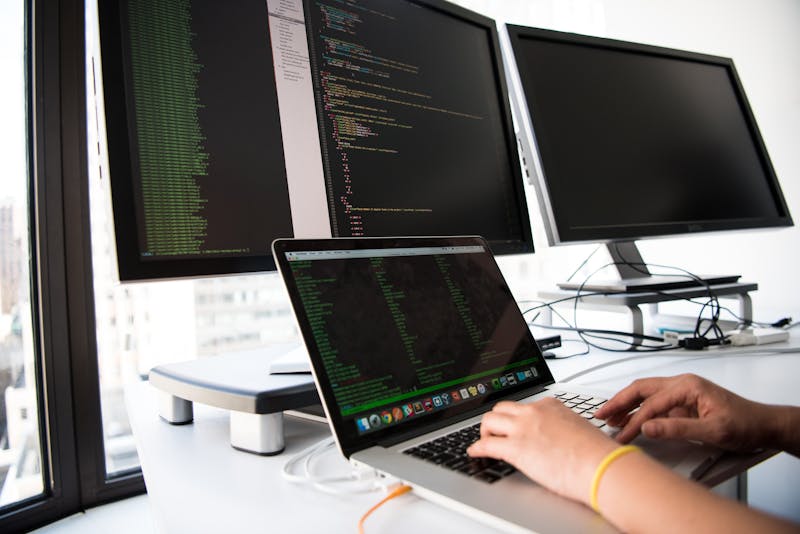
Modern office with smart, adjustable workstations and green plants
Smart, adjustable desks integrate technology for a healthy workday.

From Passive to Active

Traditional ergonomics often focuses on setting up a chair and desk – and then forgetting about it. The new generation of furniture, however, is proactive. Think of desks with built-in sensors that subtly vibrate to encourage a seated employee to stand up for a moment, or chairs that monitor posture data and provide personalized tips via an app.

This data-driven approach not only enables individuals to understand their habits but also provides HR and facility managers with valuable insights into collective departmental well-being, without infringing on privacy.

Integration with the Workplace

The real potential lies in integration. A smart chair can communicate with the lighting system, automatically dimming the lights during a deep focus phase signaled by posture data. Living wall systems are linked to air quality meters, creating a direct, green response to CO2 levels in a meeting room.
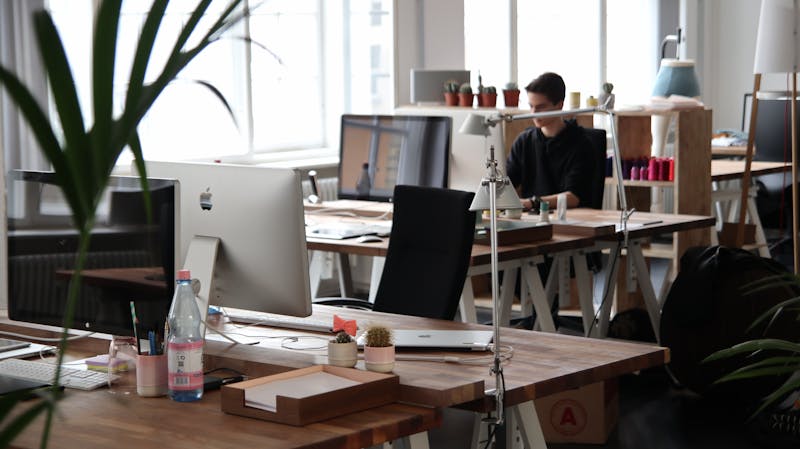
Close-up of a modern, ergonomic office chair in a bright office space
Design and technology come together in the new ergonomic furniture.

The Human Factor

Technology is a tool, not a goal. The success of these innovations depends on acceptance. A key design principle is therefore subtle nudging instead of intrusive notifications. The focus must be on supporting natural behavior, not controlling it.

When furnishing a commercial property or office, it is crucial to explore together with employees which forms of smart support they find valuable. A pilot with a few workstations can provide a lot of insight before committing to a large-scale investment.

"The future of ergonomics lies not in the perfect piece of furniture, but in an adaptive environment that moves with the natural rhythms of the person working within it."

The evolution towards smart, ergonomic offices is in full swing. It combines the principles of good design with the possibilities of IoT, always with the same goal: creating a calming and productive work environment where people can perform healthily and with motivation.

Frequently Asked Questions about Office Design

Answers to important questions about creating a modern, productive work environment.

How do you integrate natural light into an office without many windows?

We use strategically placed skylights, light-guiding materials, and a reflective color palette to maximize available light. Additionally, we employ artificial lighting that mimics the spectrum of daylight, which supports the biological clock.

What are the key ergonomic principles for a commercial property?

Beyond adjustable workstations, we focus on movement-friendliness: variety in work zones (standing, sitting, lounge), floors that dampen walking impact, and a circular layout that encourages natural walking routes. This reduces physical strain and increases energy.

Are green office plants purely decorative or do they serve a functional purpose?

They serve a clear functional purpose. Specifically selected plants improve air quality, dampen acoustics, and reduce visual fatigue. We create 'green screens' for privacy and use plants to visually structure spaces, which promotes mental clarity.

How do you design for flexibility in a modern office space?

Through modular furniture systems, movable glass walls, and a robust technical infrastructure in ceilings and floors. This allows teams to easily change configurations without major renovations. The base remains calming and consistent, while the layout is dynamic.

What is your approach to acoustics in open office environments?

We combine absorbent ceilings, sound-dampening wall panels with natural materials, and strategically placed furniture. We also create specific 'quiet zones' and acoustically shielded phone booths, so concentration and collaboration can coexist.

Do you have another question about your project? Contact us.

You can also call: 053 7943170

EN
NL EN